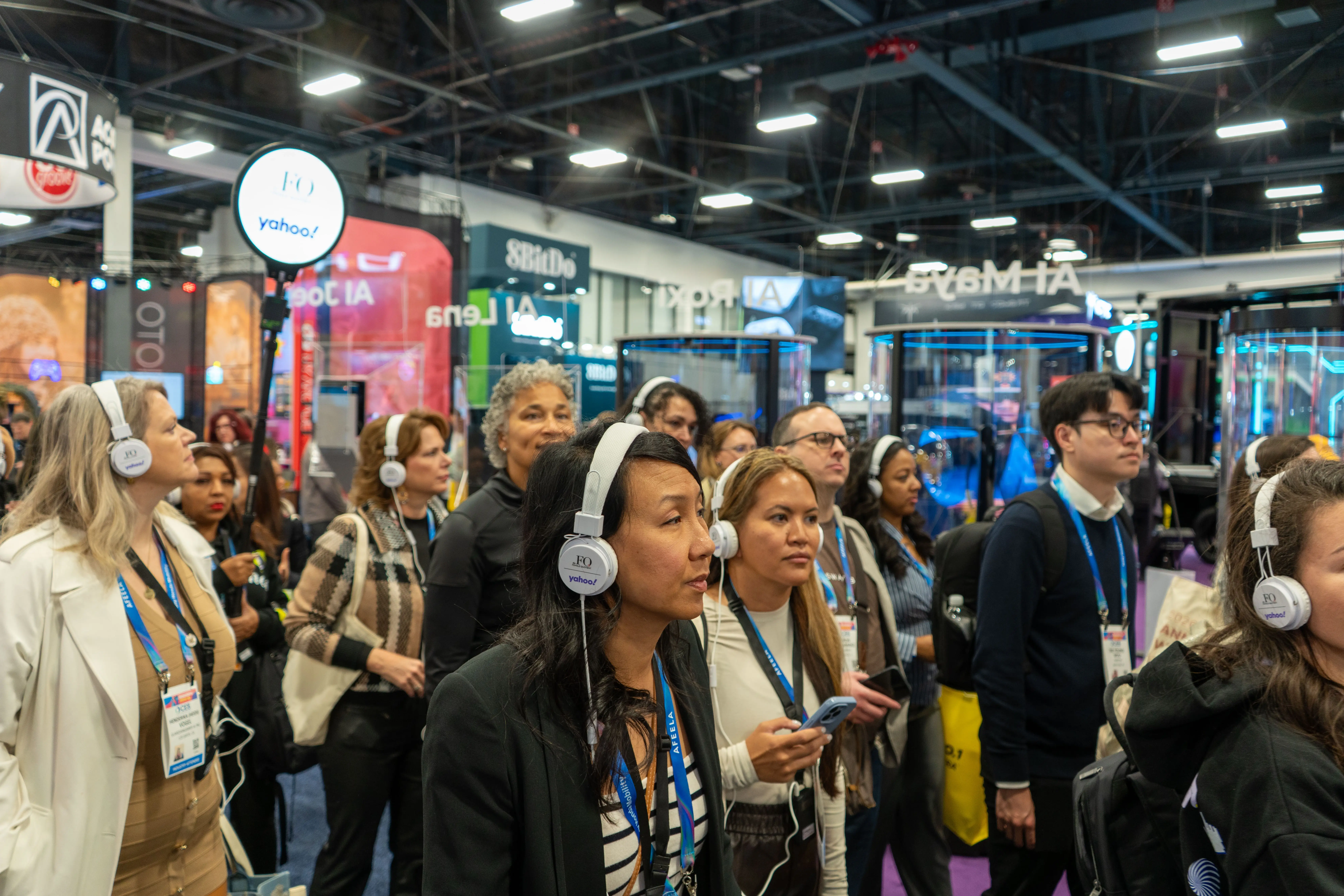
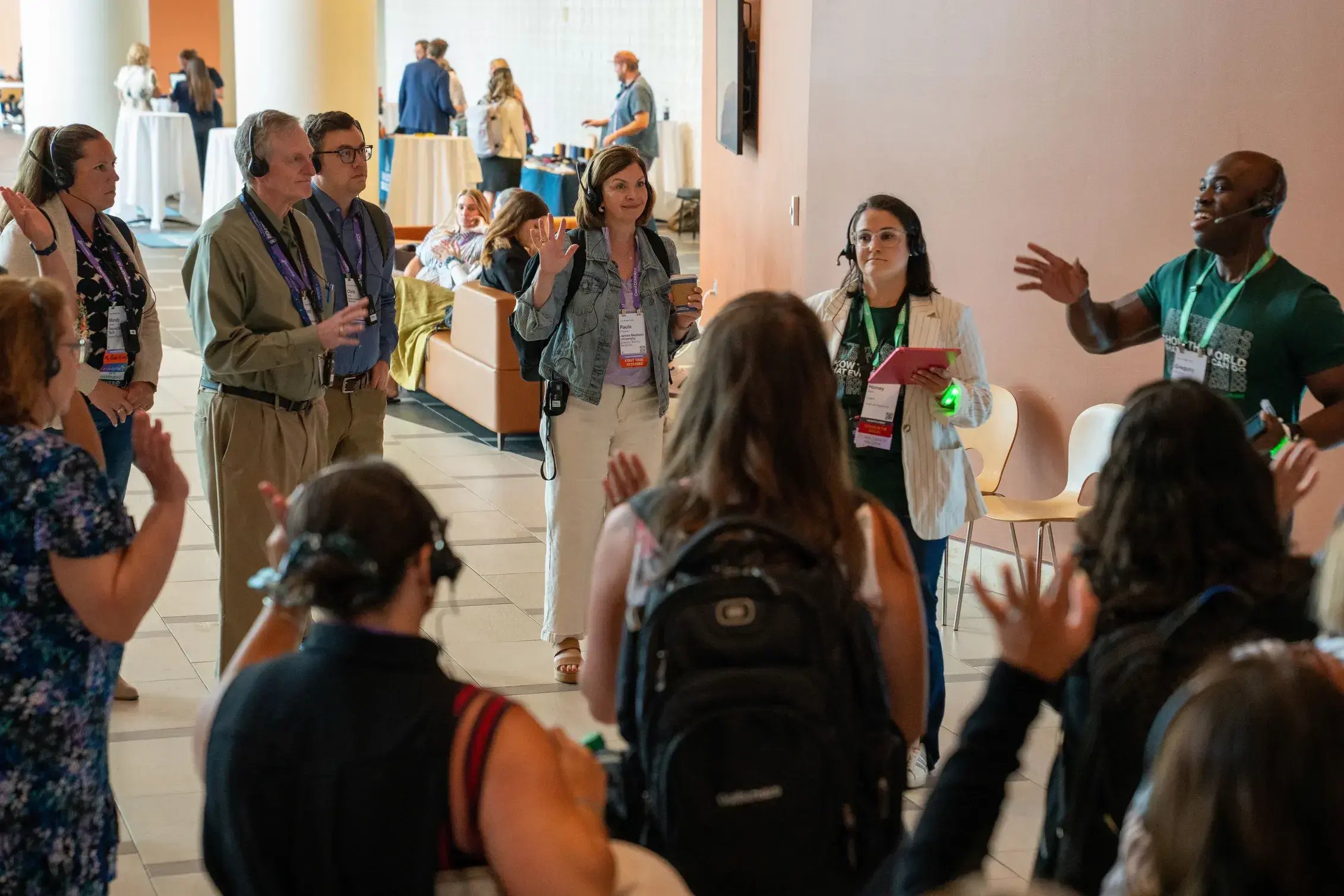
Event day is energetic by design.
Conversations overlap. Crowds move. Sessions flow from one moment to the next. That energy is part of what makes live events memorable.
The most successful events plan for that reality from the start, especially when it comes to audio.
According to Sam Friederick, Channel Account Manager at Implecho, clear voices on event day are never accidental.
“There’s often an assumption that everybody will hear everything just because that’s the intention. But experienced planners know that once you factor in crowd size, movement, and ambient noise, clarity has to be designed.”
Making your voice heard on event day is not about hoping for quiet conditions. It is about building audio experiences that deliver clarity no matter what the environment brings.
What Clear Audio Actually Means in Practice
Clear audio is often mistaken for loud audio. In reality, clarity is much more intentional.
“Clear audio means people are receiving the message in a way that works for them,” Sam explains. “Everyone listens differently. Everyone has different needs and comfort levels.”
In practice, clear audio means:
- Attendees can understand the message without strain
- Audio is delivered directly, without competing noise
- People can listen from where they feel most comfortable
When listening feels effortless, clarity is doing its job.
How You Know Your Message Is Reaching People
When audio is designed well, the signs are immediate.
Attendees stay engaged. Speakers maintain momentum. Sessions feel focused and energized.
As Sam puts it, “When people are hearing clearly, they stay present. They are invested in what’s being shared.”
Strong audio supports:
- Sustained attention throughout sessions
- Natural interaction and questions
- Confident delivery from speakers
From an experience standpoint, clear audio signals respect for attendees’ time and attention.
Why Coverage Alone Is Not Enough
Many event audio plans focus on coverage. Where can sound reach?
Sam highlights the difference that experienced planners understand.
“Coverage is where you can receive audio. Clarity is the quality of what you’re receiving.”
A well-designed audio experience ensures:
- Consistent sound quality throughout the space
- Flexibility for attendees to stand, move, or step back
- Minimal interference from surrounding activity
True clarity allows the message to land exactly as intended, wherever the listener happens to be.
Designing Audio Around Real Event Environments
Live events are dynamic environments. Sessions end. Crowds shift. Hallways fill and empty.
“Events don’t exist in isolation,” Sam says. “Movement and energy are part of the environment.”
Successful audio planning accounts for:
- Adjacent sessions starting or ending
- Crowd flow through shared spaces
- Ambient noise that changes throughout the day
When these factors are considered upfront, audio continues to perform smoothly as the event evolves.
Why Headsets Create Consistent Clarity
Headsets solve a core challenge of live events by bringing audio directly to the listener.
“Headsets deliver audio without external factors getting in the way,” Sam explains. “People can adjust volume themselves and hear clearly no matter what’s happening around them.”
For attendees, that means:
- Comfortable, personalized listening
- Consistent clarity in any location
- Less effort required to stay engaged
For speakers, it creates confidence.
“When people are wearing headsets, you know they’re hearing every word. It becomes a more personal and assured experience.”
How Clear Audio Elevates Engagement First
When audio clarity is in place, engagement follows naturally.
“Engagement is the first thing to improve,” Sam says. “People listen to every word. They remember the content. They feel comfortable participating.”
Clear audio encourages:
- Better retention of key messages
- More questions and interaction
- A stronger connection between speakers and audiences
The experience feels intentional rather than transactional.
Why Simplicity Matters on Event Day
Event day demands systems that simply work.
“People don’t have time to think about the technology,” Sam notes. “It needs to work immediately.”
The best audio solutions:
- Require minimal explanation
- Feel intuitive to attendees
- Fade into the background once in use
When audio becomes second nature, everyone can focus on what matters most.
Designing for Energy, Not Silence
Events thrive on energy. Audio planning should support it, not fight it.
“Not everybody thrives in chaos,” Sam says. “So the question becomes how people are listening when everyone is talking.”
Designing for clarity means planning for:
- Varying crowd sizes and movement
- Overflow and shared spaces
- Different listening preferences and accessibility needs
Clarity is intentional, not conditional.
What Getting Audio Right Makes Possible
When event audio is designed well, it elevates everything around it.
“When audio works, it allows everybody else to do their job better,” Sam says.
- Speakers focus on content, not delivery
- Attendees focus on ideas, not effort
- Planners experience less visible stress
Clear audio does not demand attention. It quietly improves every outcome that matters.
Final Thought
Event day is where preparation pays off.
As Sam puts it, all the ideas, effort, and investment behind an event come together through clear communication.
When audio is designed for clarity, your voice does not compete with the room.
It reaches the people it was meant for, exactly as intended.
Explore Tour Guide Systems
Talk With an Expert