Why Silent Sessions, Tour Guide Systems and Interactive Audio Experiences Support Authentic Engagement
As I speak with event industry professionals and meeting planners, authenticity has become one of the most talked-about topics.
Event planners are increasingly challenged to create experiences that feel meaningful, memorable and connected. That’s because event attendees are looking beyond beautiful venues and polished production. They want experiences that feel genuine with access to experts and meaningful conversations, not just presentations.
Most importantly, event attendees want to feel like active participants rather than passive observers.
But creating authentic event experiences requires more than great content.
It requires great communication.
While content, speakers and experience design are important, event planners increasingly tell me their biggest challenge is creating authentic event experiences during group sessions. If attendees can't clearly hear, engage and participate in the conversation, it's difficult to create the meaningful connections that make an experience feel genuine and memorable.
Why Authenticity Has Become an Attendee Expectation
Today's attendees have more choices than ever. They can:
-
- Watch a webinar
- Listen to a podcast on demand
- Access endless educational content online
And they can do it all without leaving their sofa. When they choose to attend an event in person, they want something different that they can’t get anywhere else. They want:
-
- Meaningful conversations
- Direct access to experts
- Opportunities to ask questions
- Industry expertise and storytelling
- Interactive learning experiences
- Genuine human connection
The most successful events understand that authenticity isn't about being less polished or professional.
It's about being more human.
Authentic Experiences Are Interactive Experiences
Think about the events that leave a lasting impression. They are rarely the ones where attendees sit quietly in a room with a notebook in hand, listening to information they could have found elsewhere.
Instead, they are the experiences where attendees felt involved and invested. They asked questions, participated in discussions with subject matter experts and walked away feeling like they not only learned something but contributed to the conversation.
Authenticity happens when attendees stop being spectators and become participants.
Creating that level of engagement takes intentional event design.
The Engagement Challenge Facing Modern Events
One of the most common challenges I see occurs in large conferences and trade shows.
Imagine a busy exhibit hall with hundreds of attendees moving between booths, activations and educational opportunities. The organization invested in a speaker showcase, thought leadership sessions and product demonstrations. The content is valuable. The presenters are knowledgeable.
Yet the surrounding environment competes for their attention with:
-
- Nearby conversations
- PA announcements
- Exhibitors
- Crowds
- Movement
The challenge isn't the quality of the content but in creating an environment that overcomes these uncontrollable factors, and where attendees can fully engage with your message.
This is where communication design becomes experience design.
Real-World Example: Cvent Booth Tours at IMEX and MPI Events
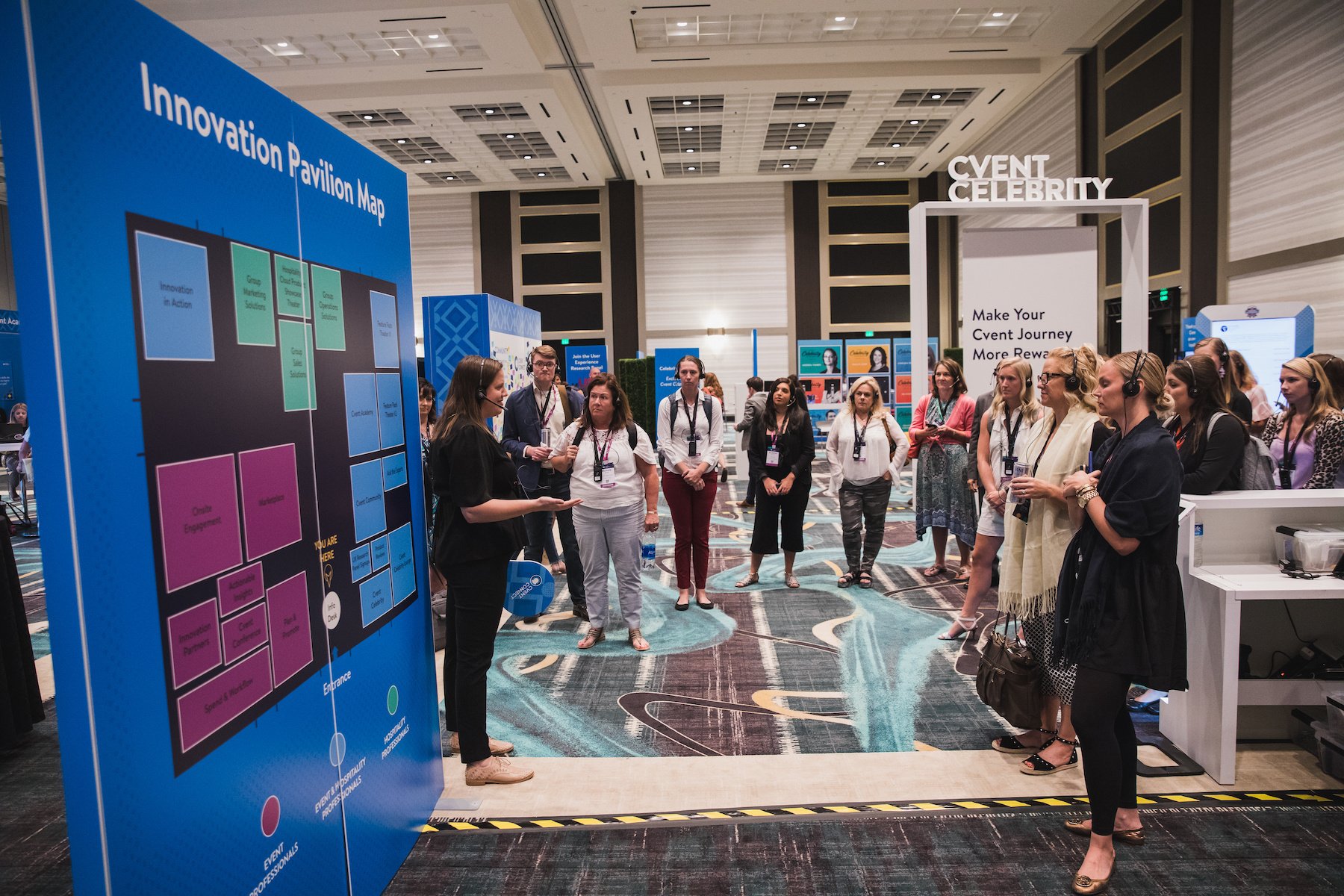
At major industry events like IMEX and MPI conferences, Cvent partners with Implecho to provide wireless tour guide headset systems for guided booth tours. Rather than asking attendees to gather around a booth and compete with exhibit hall noise, the tour guide system creates a direct communication channel between Cvent's experts and tour participants.
The result is a more engaging and authentic experience. Attendees gain direct access to industry experts, educational content is delivered clearly despite the busy environment, and meaningful conversations happen naturally throughout the tour.
The technology simply removes communication barriers, allowing the focus to remain on learning, interaction and connection.
How Silent Sessions Create More Meaningful Engagement
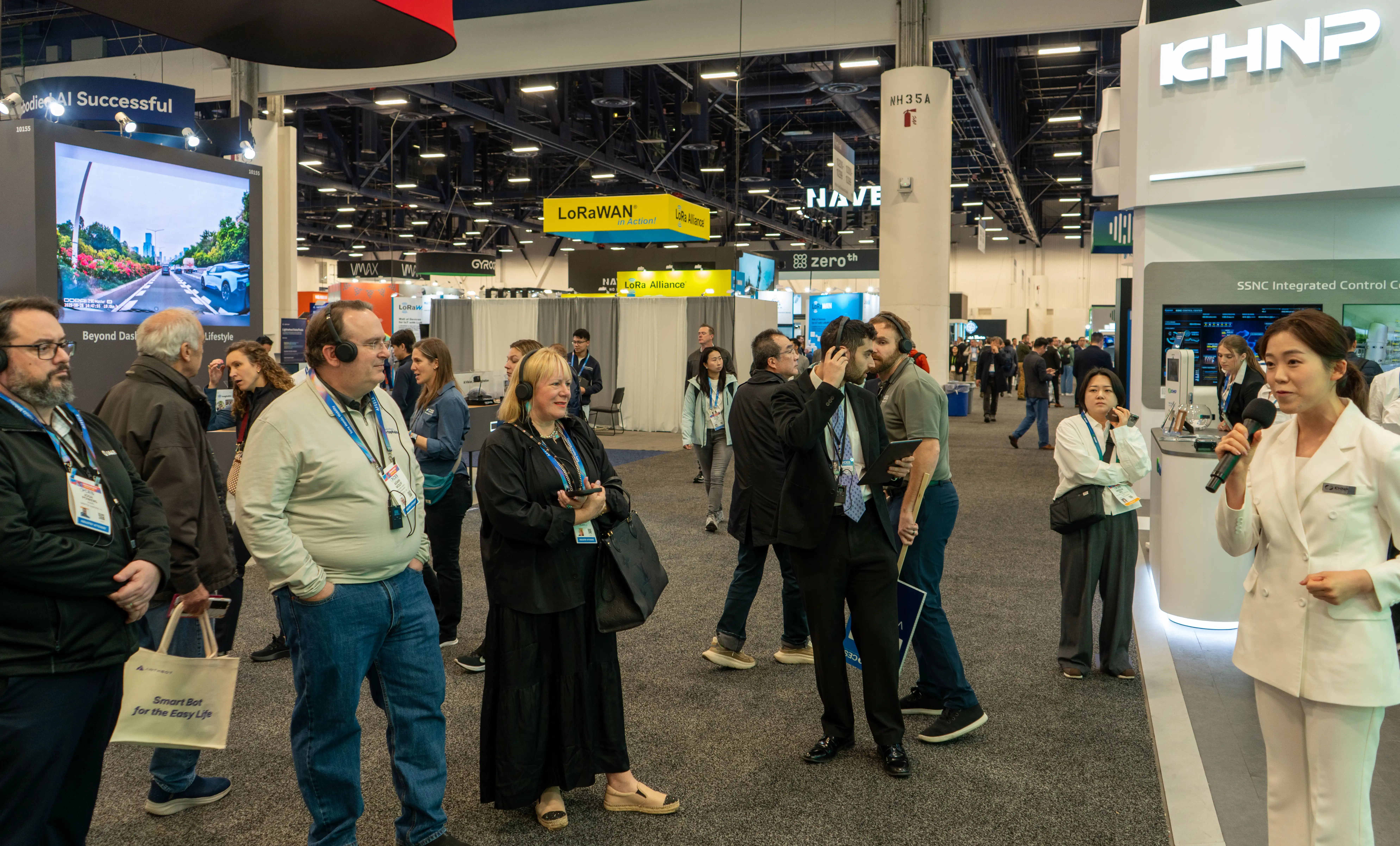
Silent sessions have become one of my favorite examples of technology supporting authentic engagement.
At first glance, attendees see a headset, but what they actually gain is the ability to focus.
In a silent session environment:
-
- Attendees hear every word clearly
- Presenters don't need to compete with surrounding noise
- Multiple sessions can occur in the same space
- Attendees choose the content they want to engage with
- Distractions are dramatically reduced
Most importantly, the experience becomes more personal. Instead of listening to a presentation that’s broadcast into a noisy environment, attendees feel like they are part of a direct conversation.
The technology fades into the background and the content becomes the focus, allowing authentic engagement to happen.
Related Article: Enhancing Expo Hall Experiences with Silent Sessions
Why Tour Guide Systems Make Tour Events Feel More Personal
The principle of not having to think about audio technology also applies to guided experiences.
Those who conduct facility tours, corporate campus visits, customer immersion experiences or educational programs tell me that their attendees want more than information.
They want interaction.
Two-way tour guide systems make that possible by allowing participants to:
-
- Ask questions naturally
- Engage directly with guides
- Hear every detail clearly
- Participate in discussions
- Stay connected throughout the experience
The guide becomes less of a presenter and more of a facilitator, and the experience becomes less scripted and more conversational. Not only does it create stronger engagement and better learning outcomes, it facilitates a more authentic experience for everyone involved.
Authenticity and Accessibility Go Hand in Hand
An experience cannot truly be authentic if some attendees are unable to fully participate because of barriers beyond their control.
This is one reason I am so passionate about audio communication solutions. They make experiences more inclusive by supporting:
-
- Assistive listening needs
- Hearing accessibility
- Multilingual audiences
- Large group tours
- Events in noisy environments
Communication technology helps remove barriers to participation. When attendees can hear clearly, engage comfortably and access information in ways that meet their needs, they feel more connected to the experience and more valued as individuals.
Authentic experiences are most impactful when they're accessible to everyone.
The Most Authentic Events Leave Room for Human Moments
The event planners I know spend significant time thinking about schedules, logistics, production and attendee flow.
Those elements matter, but attendees rarely remember the floor plan. They rarely remember the event app. They rarely remember the headset.
What they remember are the moments:
-
- The expert who answered their question
- The story that changed their perspective
- The conversation that sparked a new idea
- The connection they made with another attendee
It’s people who create authenticity, not the communication system.
The role of technology is simply to remove barriers that might prevent those moments from happening.
Key Takeaways
Authentic event experiences are built through connection, participation and meaningful engagement. Organizations can create more authentic experiences by:
-
- Designing opportunities for attendee interaction
- Making educational content easier to access
- Reducing environmental distractions
- Supporting accessibility and inclusion
- Creating space for genuine conversations
- Using communication technology to remove barriers rather than add complexity
Let Us Help You Create An Authentic Event Experience
Whether you are planning a conference, trade show, facility tour, silent session or educational experience, the ability for attendees to clearly hear and engage with content can have a significant impact on how authentic that experience feels.
Because in the end, authenticity is not about the technology. It is about helping people connect.
And speaking of connecting, contact us today. At Implecho, we specialize in tailoring audio communication solutions to your needs, and help ensure you combine your authentic approach to event planning with professional audio technology and a supportive team that supports your goals.
Frequently Asked Questions
What is a silent session?
A silent session is an event format where attendees listen to presenters through wireless headsets instead of traditional loudspeakers. Silent sessions are commonly used at trade shows, conferences and educational events where multiple presentations occur in shared spaces.
Why are silent sessions becoming more popular?
Silent sessions allow event organizers to reduce noise, increase attendee focus, support multiple presentations simultaneously and create more engaging educational experiences.
How do silent sessions improve attendee engagement?
Attendees can hear presenters clearly without competing background noise, creating a more immersive and interactive learning environment.
What is a two-way tour guide system?
A two-way tour guide system allows guides and attendees to communicate directly during tours, training programs and guided experiences, creating greater interaction and audience participation.
How do communication systems support authentic event experiences?
Communication systems help remove barriers to engagement by ensuring attendees can hear clearly, participate comfortably and remain connected throughout the experience.
.webp?width=6960&height=4640&name=IMG_6596%20(1).webp)