


One of the most overlooked opportunities in expert-led tour experiences is the ability to capture and repurpose the knowledge being shared in real time.
The tour itself is only the beginning.
With the right wireless tour guide communication system, audio recording apps and AI transcription tools, organizations can transform a single live tour experience into months of educational content, training materials and thought leadership.
In this article, we outline which types of tours present the greatest opportunities, examples of the types of content — from blog articles to white papers and even videos — and a step-by-step guide to making it all happen.
What Types of Tour Presentations Can Be Turned Into Educational Content?
Common Uses for Multilingual Headsets
Any organization that relies on live education, guided experiences or expert-led communication can benefit from stronger audio systems and AI-powered content workflows, including:
- Educational field programs and experiential learning environments
- Facility and manufacturing tours designed for customers, dealers or trainees
- Corporate campus tours and executive visitor experiences
- Training organizations delivering onsite or mobile education
- Live events, conferences and guided breakout experiences
- Tourism, destination and cultural experiences focused on storytelling and engagement
Whether the goal is education, brand experience, operational communication or audience engagement, organizations can extend the value of a single live experience far beyond the event itself.
There are numerous settings where wireless headset systems can provide assistive listening or serve as a language interpretation tool. They are especially valuable when the event experience depends on moving groups, varied acoustics or multilingual listening, including:
- Plant tours
- Factory visits
- Facility walkthroughs
- Trade show VIP tours
- Investor or partner site visits
- Museum or campus tours
- Silent sessions at live events
- Multilingual guided training
- Global delegation visits
When an event is high-stakes and includes multilingual guests, using a wireless headset system can deliver clarity, comfort and inclusion.
Use Case: Outdoor Nature Tours
In summer 2026, we supported an association that brought nature enthusiasts together to learn about ecology, conservation and land stewardship through an immersive guided tour experience.
They designed the experience intentionally from the start, knowing they wanted to capture their educational content for future use. They used simple tools to record the audio and had it transcribed for use in long-term content beyond the event itself, providing:
-
-
- Deeper education
- Stronger community engagement
- Better storytelling
- Expanded organizational reach
- More inclusive communication
-

Evaluating the Environment: Audio Challenges in Indoor vs. Outdoor Events
The success of an educational tour and whether it can be transformed into usable content often comes down to one thing: Can attendees clearly hear, engage with and stay connected to the experience?
In particular, outdoor environments make clear audio a challenge because:
- Environmental noise changes constantly
- Groups spread out
- Guides are moving
- Attendees want to ask questions naturally
- Organizers still need to communicate logistics clearly
Some indoor environments can face similar challenges, especially in loud manufacturing facilities or expo halls.
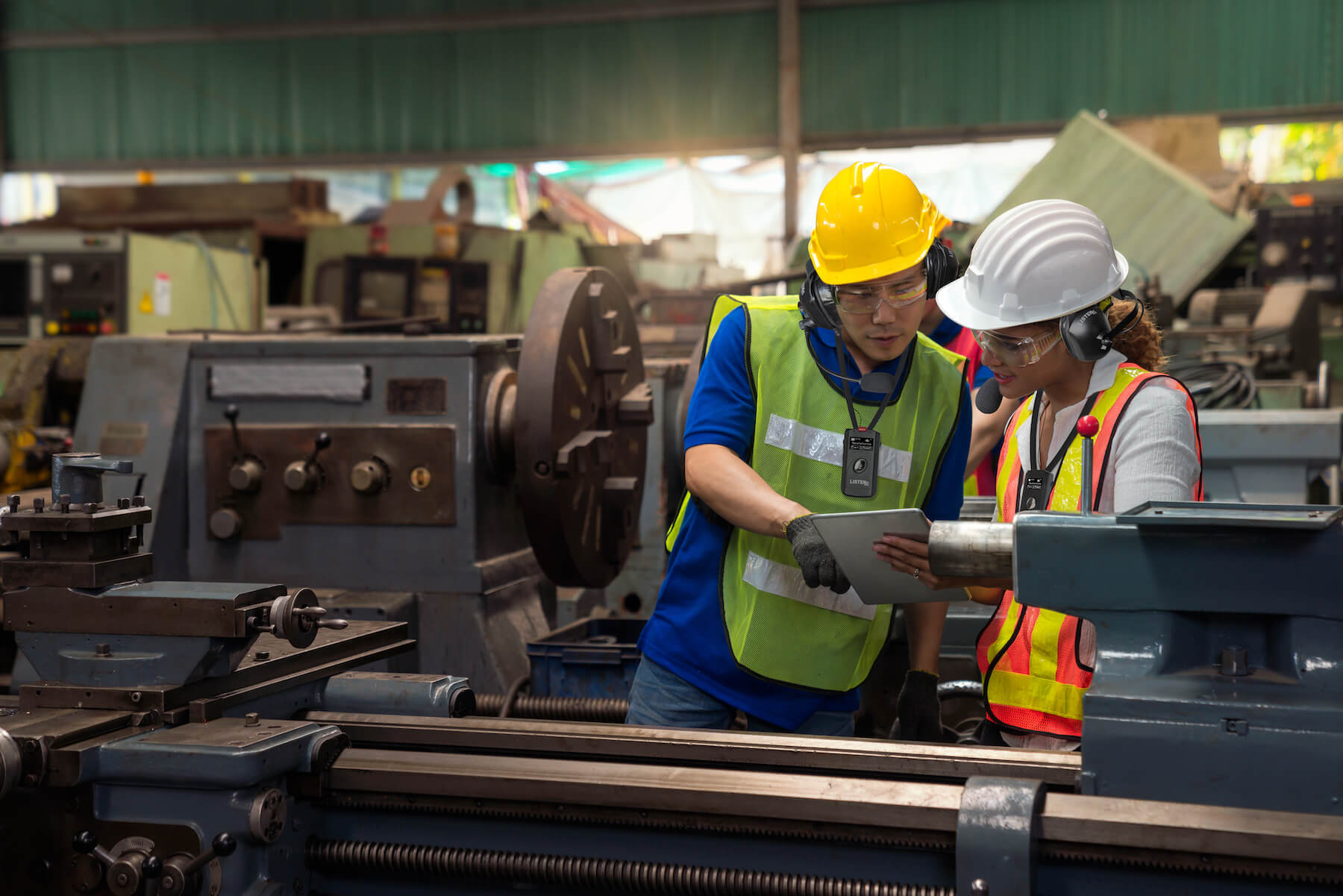
A wireless two-way tour guide system like ListenTALK can ensure clear audio and immersive experiences. Instead of attendees struggling to hear or missing key moments, the system creates a more personal, accessible and interactive environment.
- Multiple guides can participate in discussions
- Guests can ask questions directly through built-in microphones
- Tour organizers can communicate schedule updates or logistical information without disrupting the flow of the event
For nature-focused tours, lightweight accessories like a D-ring earpiece allow guests to stay connected to the educational experience while still remaining immersed in the environment around them.
How to Ensure Accessibility and Inclusivity in Educational Tours
Educational tours are most impactful when every attendee can fully participate in the experience, improving the visitor experience and brand perception alike.
Wireless tour guide systems not only help with developing content, but help support:
- Assistive listening needs
- Hearing accessibility
- Multilingual tour experiences
- Clearer communication in noisy outdoor environments
- Reduced listening fatigue during long tours
- Stronger audience engagement overall
With clear communication, attendees feel more connected, confident and included throughout the tour. And when follow-up materials are provided via training materials or video, a more inclusive experience is created for all.
Why Audio Quality Matters for AI Transcription
Cleaner audio creates dramatically better results. When audio is captured directly through a tour guide headset system or communication receiver rather than from an ambient microphone, AI transcription quality improves significantly.
|
Challenges With Distant Ambient Microphones |
Benefits of Direct Audio Capture |
|
Background noise |
Transcript accuracy |
|
Wind interference |
Speaker recognition |
|
Crowd interruptions |
Searchable insights |
|
Overlapping conversations |
Summarization quality |
|
Inconsistent speaker volume |
AI-generated content outputs |
|
Lower-quality source audio |
Long-term content usability |
Cleaner audio creates cleaner transcripts. Cleaner transcripts create better content.
A Step-by-Step Guide to Capture Audio and Convert it Into Educational Content
As a marketer, here’s the workflow I personally use to maximize educational tours, field experiences and expert-led events.
Step 1: Choose a Recording App and Capture the Tour Audio Using a Quality System
Decide which recording platform you will use. Most organizations already have recording tools available on their smartphone or laptop, including:
- Smartphone sound recording apps
- Microsoft Teams
- Portable digital recorders
- Laptop-based audio recording software
- Dedicated field recording devices
For dedicated recording hardware, portable recorders from Zoom Corporation are popular because they are lightweight, reliable and easy to use in outdoor or mobile environments.
Next, set up a ListenTALK transceiver to receive the tour audio directly to your phone or recording device. Then, before the tour begins:
- Test the setup
- Confirm storage space is available
- Place my phone in airplane mode to eliminate distractions like calls, texts and notifications
- Verify recording quality
- Ensure backup batteries or charging options are available
Step 2: Transcribe the Conversation
After the event, upload the recording into an AI transcription platform.
Popular transcription tools include:
- Otter.ai
- Rev
- Descript
- Microsoft Copilot transcription tools
The quality of AI transcription today is incredibly strong compared to even a few years ago, especially when audio is captured directly from a wireless communication system instead of relying on ambient room microphones.
The Benefits of Modern AI-powered Transcription Technology
Speech recognition tools and large language models have made transcription tools more reliable. Many modern platforms can now achieve over 90% transcription accuracy in strong audio environments and are able to.
- Identify speakers
- Separate conversations
- Summarize themes
- Create searchable transcripts
- Generate highly usable content drafts
Step 3: Turn One Conversation Into Dozens of Content Assets
Once captured, the tour presentation can be repurposed into multiple pieces of marketing content. A single educational tour can generate:
- Whitepapers
- Blog articles
- FAQ documents
- Educational brochures
- Training materials
- Email campaigns
- Social media content
- Video scripts
- Post-event recaps
- Customer follow-up sequences
- “Most asked questions” resources
- Speaker insights
- Operational guides
- Internal training resources
- Future presentation topics
You could choose to leverage large language models like ChatGPT, Claude and Microsoft Copilot to:
- Identify recurring themes
- Summarize key insights
- Prioritize content opportunities
- Build outlines
- Generate drafts
- Organize content calendars
- Accelerate content development workflows
With this approach, you’re not replacing your expertise; you’re simply scaling it.
A Critical Reminder About Data and AI
Use AI responsibly. Always review internal policies regarding AI usage, transcription platforms and proprietary information before uploading recordings or internal discussions into third-party AI platforms:
- Work with your IT and leadership teams
- Understand data handling policies
- Confirm approved platforms
- Ensure sensitive information is protected appropriately
- Evaluate whether secure enterprise AI environments are required
Pro Tip: Start Simple and Don’t Overcomplicate the Process
One mistake organizations often make is trying to turn every guided tour or educational moment into usable content. That may not be possible or practical.
Instead, start simple by tracking:
- Which topics within the tour generate the greatest engagement and response?
- What questions come up repeatedly during each tour?
- What content drives conversations afterward?
- What portions influence your pipeline or present the greatest business opportunities?
- Which educational themes resonate most strongly with audiences?
Over time, organizations can evolve from a single educational tour to a full year of strategic educational content. Surprisingly, the process is often much easier than people think.
Tips for Choosing the Right Audio Communication Tour System
The future of educational experiences is not just about helping people hear information more clearly.
It is about helping organizations preserve expertise, expand their reach and continue the conversation long after the event ends.
Whether you are planning a conservation tour, manufacturing walkthrough, educational field experience or corporate event, communication design plays a major role in how attendees engage, learn and remember the experience.
At Implecho, we specialize in state-of-the-art tour technologies that can deliver a great experience in real time and provide the quality audio you need to repurpose and maximize that content long after your guests leave.
Contact our team of experienced audio specialists to explore which system might best fit your needs, and to get more tips for elevating your tour experience.
Frequently Asked Questions
What is a wireless tour guide system?
A wireless tour guide system allows guides and attendees to communicate clearly during tours, training sessions and educational experiences using portable transmitters, receivers and headsets.
What is the benefit of a two-way tour guide system?
A two-way tour guide system allows attendees to ask questions, engage directly with guides and participate more naturally in educational discussions and live experiences.
How do you record audio from a guided tour?
Organizations can record audio directly from systems like ListenTALK using a receiving transceiver connected to a smartphone, recording app or dedicated digital recorder.
What can organizations do with transcribed tour audio?
Transcribed tour audio can be repurposed into blog content, FAQs, training documents, educational resources, marketing campaigns, follow-up emails and operational guides.
What are the best AI transcription tools for educational tours?
Popular AI transcription platforms include Otter.ai, Rev, Descript and Microsoft Copilot transcription tools.
Why does audio quality matter for AI transcription?
Clearer audio improves transcription accuracy, speaker recognition, searchable insights and AI-generated content quality.
Subscribe

Live Translation and Multilingual Tours with Wireless Headsets
A global event may host guests from multiple countries, each speaking different ......
Types of NRR–Compliant Headsets for Factory Tours
Guided factory tours or training, whether in showrooms or on the production ......
How to Integrate Handheld Microphones Into a Two-Way Tour Guide System?
During manufacturing and university tours, educational programs and guided ......
